
Restore Your Roof After the Storm
Professional storm damage repair services for homeowners and businesses in Clear Lake and throughout Southeast Houston.
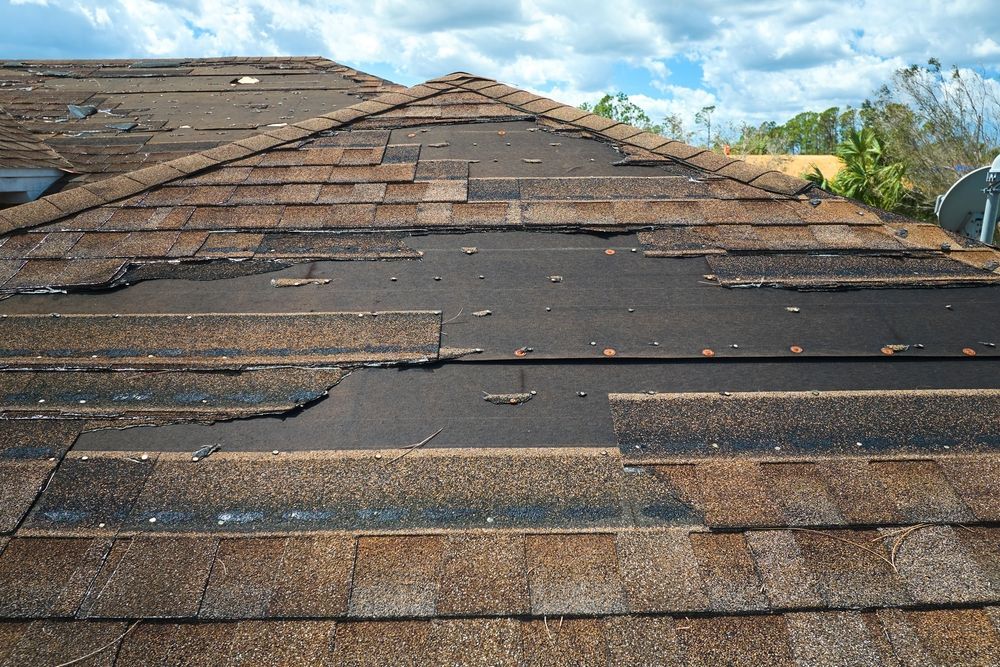
When a storm moves through Clear Lake, your roof takes the brunt of wind, hail, and torrential rain that can lift shingles, tear flashing, and open pathways for water to enter your home or business. You might notice missing granules in your gutters, water stains spreading across your ceiling, or pieces of roofing material scattered across your yard after a heavy weather event.
Above Code Roofing provides comprehensive storm damage assessments that identify lifted shingles, compromised flashing, hidden leaks, and structural concerns caused by Gulf Coast weather patterns. If your roof needs immediate protection, emergency tarping prevents further moisture intrusion while you work through the repair process. The team also works directly with insurance companies to help you navigate claims documentation and ensure that damage is properly documented and addressed.
If your property in Clear Lake sustained damage during the last storm, reach out to schedule a thorough roof inspection.
What Happens During a Storm Damage Assessment
Your roof inspection in Clear Lake begins with a detailed walkthrough that examines shingle condition, flashing integrity, ventilation components, and any visible signs of water penetration or structural movement. The inspector documents each area of concern with photographs and measurements that support your insurance claim and guide the repair plan.
Once repairs are completed, you will see secure flashing around chimneys and vents, properly sealed shingle edges that resist wind uplift, and restored underlayment in areas where moisture had begun to penetrate. Your attic will stay dry during the next rain, and ceiling stains will stop expanding.
All work is designed to restore the structural integrity your roof had before the storm and to meet current building codes that account for high wind zones and heavy rainfall common to coastal Texas. The repair process includes cleanup of debris and a final walkthrough to confirm that every damaged section has been addressed.
Questions homeowners ask before starting repairs
Homeowners and business owners dealing with storm damage often have similar concerns about timing, insurance coordination, and what the repair will actually involve.
Storm damage does not wait, and neither should your repairs. Above Code Roofing serves Clear Lake and surrounding coastal communities with thorough assessments, emergency protection, and repairs that restore your roof to full function. Contact the team to schedule your inspection.